LAD/Blog #25: The Dawes Act

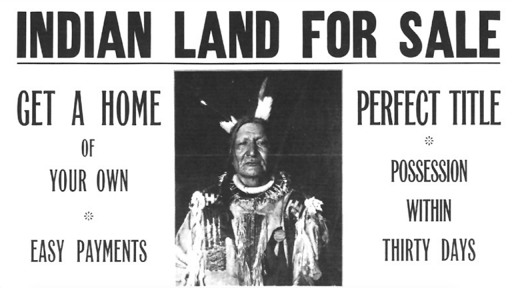
The Dawes act was an act that had a major effect on native Americans in America. This law aimed to assimilate natives into farmers. The land was distributed among each family and was given in different amounts based on social standing. Additionally, leftover land was sold to american settlers. If natives accepted this land and assimilated an acceptable amount, they were eligible for citizenship.

Image result for dawes act

Image result for 40 acres and a mule

Comments

Popular posts from this blog

LAD/Blog #11: Monroe Doctrine

On December 2, 1823 President Monroe spoke to Congress explaining new and consequential Foreign policies under the title of the Monroe Doctrine. Through his new policies, 4 major aspects were addressed.  First, Monroe proclaimed that the U.S. would not interfere with  European affairs and conflicts. As he continued, he further exemplified his isolationist and neutral foreign policy by stating that he would not interfere with pre-existing European colonies, however his third point restricted any European nations from colonizing in the Western Hemisphere from this point forward. As Monroe addressed his final point, he subtly stated that he would protect nations if they were colonized by European powers. The Doctrine was originally going to be a joint declaration with Britain, however Adams appealed to American nationalism and it became a solely U.S. affair. Because of this, many European nations did not recognize the Monroe Doctrine, however America still had the support of Br...

LAD/Blog #12: Seneca Falls Declaration of Sentiments

1.      This document opens with many democratic values and includes many of the statements from the declaration of independence. It mentions the American ideals of life, liberty, consent from the governed, and that people have the right to change the government over time. Additionally, it states that, "all men and women are created equal." 2.      There are a variety of grievances of women that are mentioned in this declaration. These include not having the right to vote, submission to laws that they do not have a say in, being withheld from rights that foreigners have, submission to their husbands, and being withheld from a proper education. 3.      In the resolution, the author stresses that the government needs to give women the rights that they deserve. Moreover, the author also states that women will persevere in their fight and that they will petition to the state and national governments to achieve their goals. ...

LAD/Blog #19: The Dred Scott Decision

On March 6 1857, the Supreme court decided that any African Americans either slave or free were not American citizens and therefore could not pursue legal matters in court. Moreover, the court found that Congress did not have the ability to abolish slavery and that slave owners ownership on slaves was protected by the 5th amendment. Collectively, this came from Scott v. Sandford, where widowed Eliza Sanford refused to let Scott buy his freedom despite formerly living in a free state, causing a lawsuit. Justice Taney ruled that this case would not be considered and due to this, tensions furthered between North and South grew.  Dred Scott Decision Brown v. Board of education was very similar to this ruling